Camden Place: Imperial Splendour
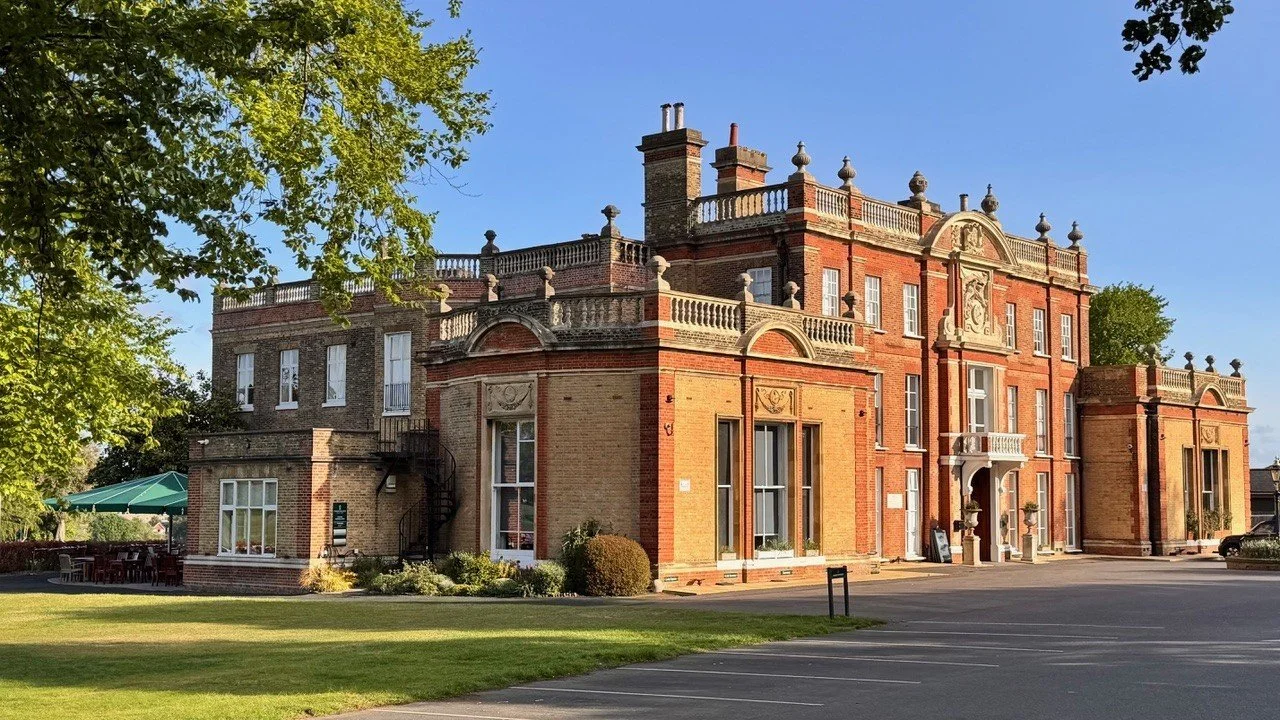
Members of Chislehurst Golf Club in Kent have the privilege of meeting and dining in a room which has recently been described as “possibly the best French interior in the country”. The dining room is in Kent, in a house associated with the Elizabethan antiquarian, William Camden, who lived here in the early 1600s. Camden Place, however, had another distinguished resident before the golfers moved in, the Emperor of the French, Napoléon III.
After the collapse of his regime at the end of the Franco-Prussian War of 1870, the French Emperor needed a place of safety. Napoléon III had already spent many years in exile in England and, while enjoying British society in the late 1830s, an engagement had been rumoured between the would-be Emperor and sixteen year old Miss Emily Rowles, whose home as a child had been Camden Place. This is perhaps the only traceable connection between house and Emperor, but the exiled Emperor Napoléon was to spend the last years of his life in this extended Georgian house.
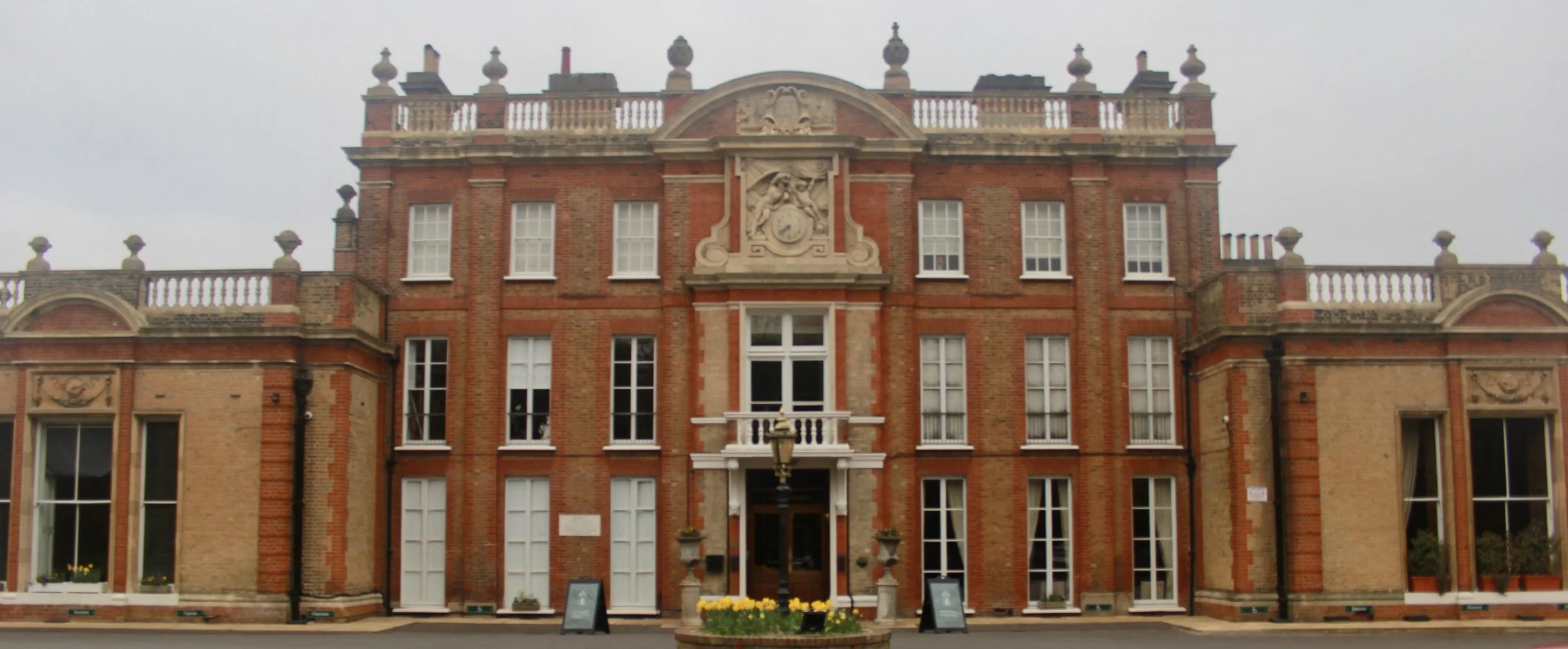
London lawyer Nathaniel Strode bought Camden Place in 1860, perhaps foreseeing the fall of his friend Napoléon III or acting under direct instruction from the French Emperor. Strode was a trustee of Harriet Howard, a long-time mistress of Napoléon III, who he first met in the 1840s. Between 1862 and 1864, Strode was paid 900,000 francs from the French Civil List and he set about turning Camden Place, then a comfortable Georgian house designed by George Dance the Younger and James Athenian Stuart, into something more suited to French royalty. In 1870, Strode offered the house as refuge to the fleeing Empress Eugenie and her 14 year old son Louis-Napoléon, Prince Imperial. The Emperor followed, after his release from prison, only to die of bladder stones at Camden Place just 20 months later.
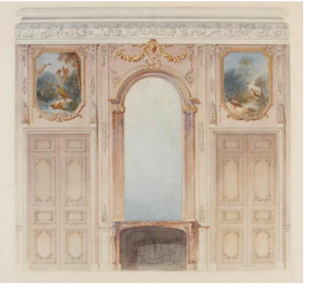
Strode’s improvements to the house included roofing the open courtyard to create a picture galley, turning the dining room into a billiard room and building a new wing to contain a magnificent new dining room. He added French details inside and out – French shutters, balustrades, urns, balconies and entrance gates - most significantly installing the Régence panelling from the recently demolished Château de Bercy, on the outskirts of Paris, in the dining room. It provided a sufficiently impressive home for the royal couple to entertain Queen Victoria, prominent politicians, clergy and leading artists of the day.
It is the panelling from the dining room which has attracted grant aid from the Historic Houses Foundation. The carved panels –‘boiseries’ - were crafted during the remodelling of the Château de Bercy between 1702 and 1713 by a group of craftsmen including Jules Degoullons, André Le Goupil and Pierre Taupin, who also worked at Versailles. The importance of the panelling, as a survivor from the widespread destruction of the French Revolution, has only recently been recognised. The boiseries were first bought by the Marquess of Hertford for 12,000 francs; he removed the painted overdoor panels by animal painter, François Desportes, to add to his art collection. Like Strode, the Marquess was a friend of both Harriet Howard and the Emperor.
The passage of time, damage from incendiary bombs in the Second World War and water ingress have taken their toll on the dining room panelling. The Historic Houses Foundation is offering a grant to Chislehurst Golf Club which is undertaking an ambitious conservation project, including restoration work on the badly damaged fireplace. This year’s Historic Houses Foundation grant follows a Small Projects Grant in 2024 from Historic Houses which funded the digitisation of a significant collection of Napoléon III memorabilia. The stewardship of Chislehurst Golf Club is setting a standard for other institutions that find themselves in charge of important historic buildings.