A Bird Cage for Today: The Aviary at Somerleyton
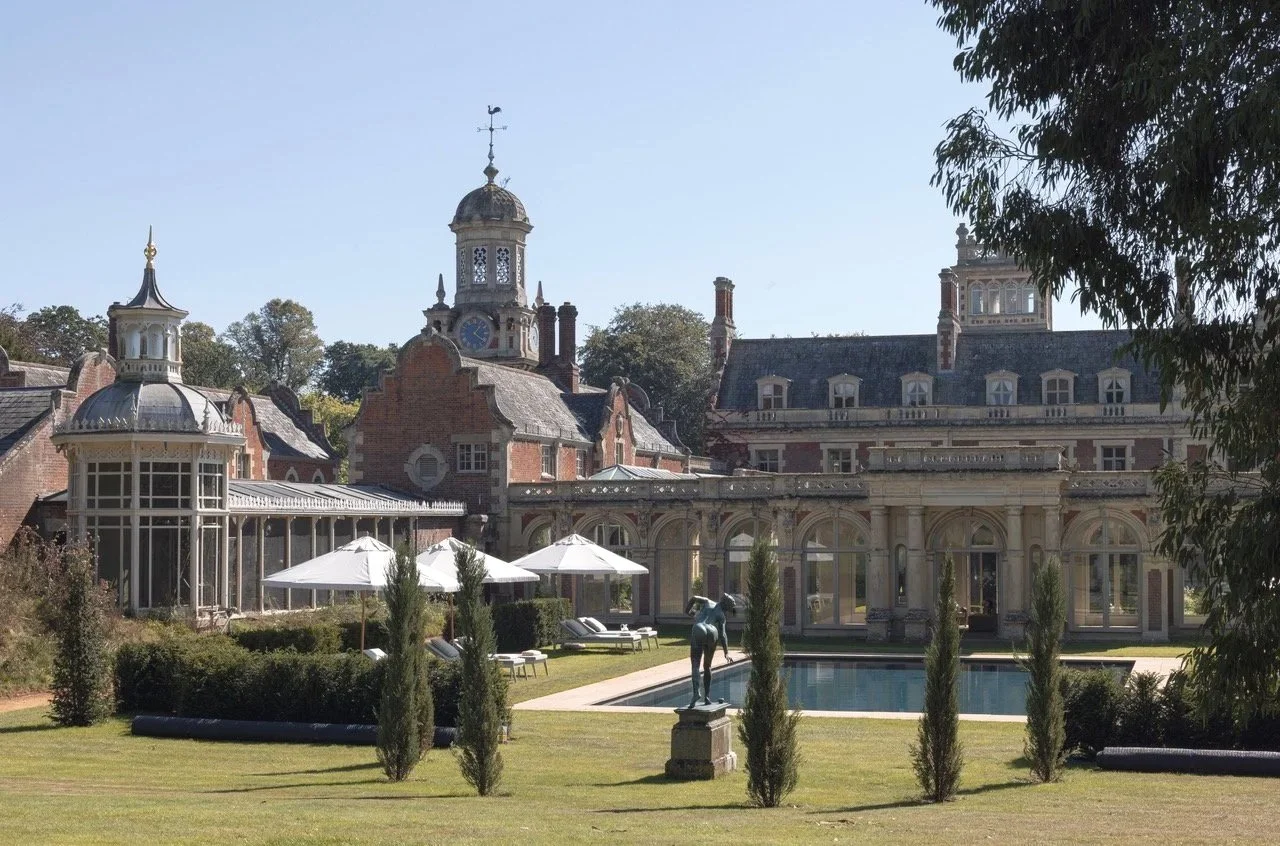
The Historic Houses Foundation is coming to the aid of Hugh and Lara Somerleyton in their efforts to restore the fabric of their quintessentially Victorian house designed by John Thomas for Sir Morton Peto in the mid-nineteenth century.
Birds of a Feather
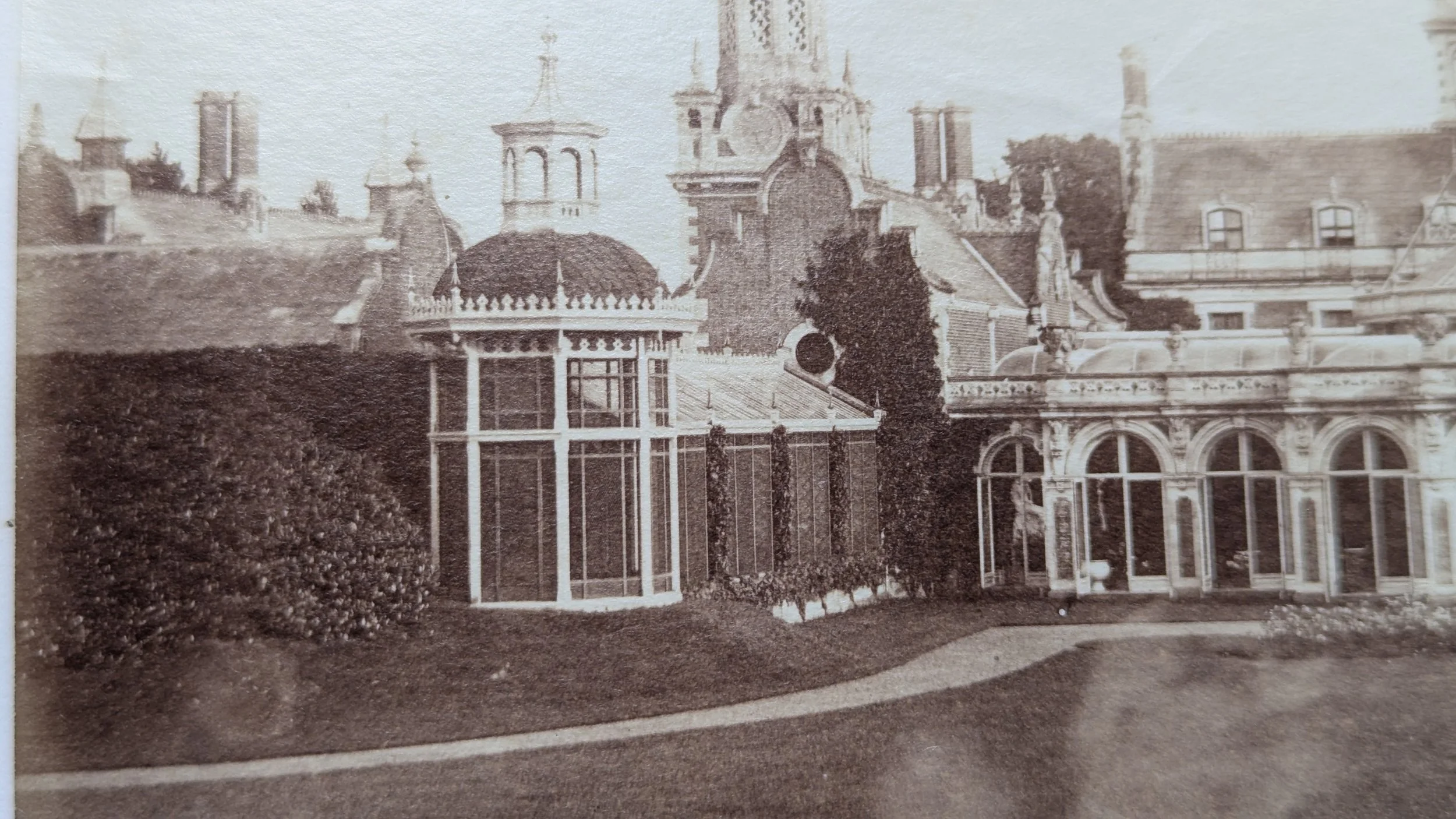
Keeping exotic birds, and indeed other animals, in cages was something of an obsession for early Victorians intrigued by the faraway lands of the British Empire. By the end of the century brightly coloured feathers from exotic species had become an essential element of every well dressed woman’s millinery. When Sir Morton Peto, entrepreneur, builder and railway magnate commissioned his new house at Somerleyton Hall in Suffolk in 1844, a bird cage was an attractive option. The aviary conceived for him by his architect John Thomas is a gorgeous marriage of an octagonal terminal pavilion and a long passage divided into three bays, the whole structure linked to a Winter Garden and set in gardens by William Nesfield. The aviary is a popular attraction for today’s visitors, sited where a seventeenth century map shows The Great Garden, an area designed for entertainment.
Architectural bird cage
The Somerleyton aviary was designed in oak with a lead roof and glass walls. After restoration in the 1980s, the building has been kept viable with temporary glass fibre roofing and perspex sheeting, it will now to be replaced with hardwood, lead and glass as part of an ambitious long term restoration scheme. The first phase has begun, bringing the octagon back from the brink and the grant from the Historic Houses Foundation will be put to use for work on the corridor as part of Phase Two.
Conserving rare species
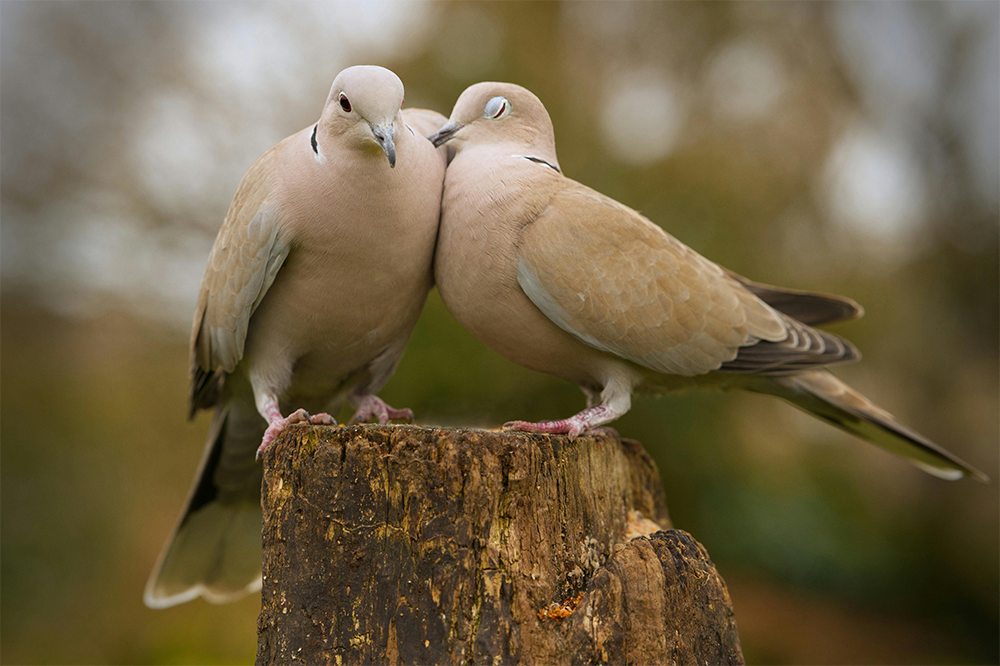
Morton Peto used his aviary to show off rare birds from all over the British empire. When Hugh Somerleyton was growing up in the 1980s, it was still home to exotic species - a pair of golden pheasants, macaws and finches. Hugh and Lara Somerleyton, founders of WildEast, are conservation leaders so recognise that the aviary needs “a more sympathetic modern use”. They propose to introduce pairs of breeding turtle doves and tree sparrows to try to improve the numbers of these now threatened native birds. Turtle doves have declined by 98% since 1994 and tree sparrows by 93% since 1970. While the Victorian passion for exotic species pushed several to the brink of extinction, it is fitting that modern sensibilities will be reflected by dedicating the restored aviary to helping red list species recover. As Hugh Somerleyton’s says, “The aviary can be important historically and ecologically while still being an absolute showpiece.”