In the Navy
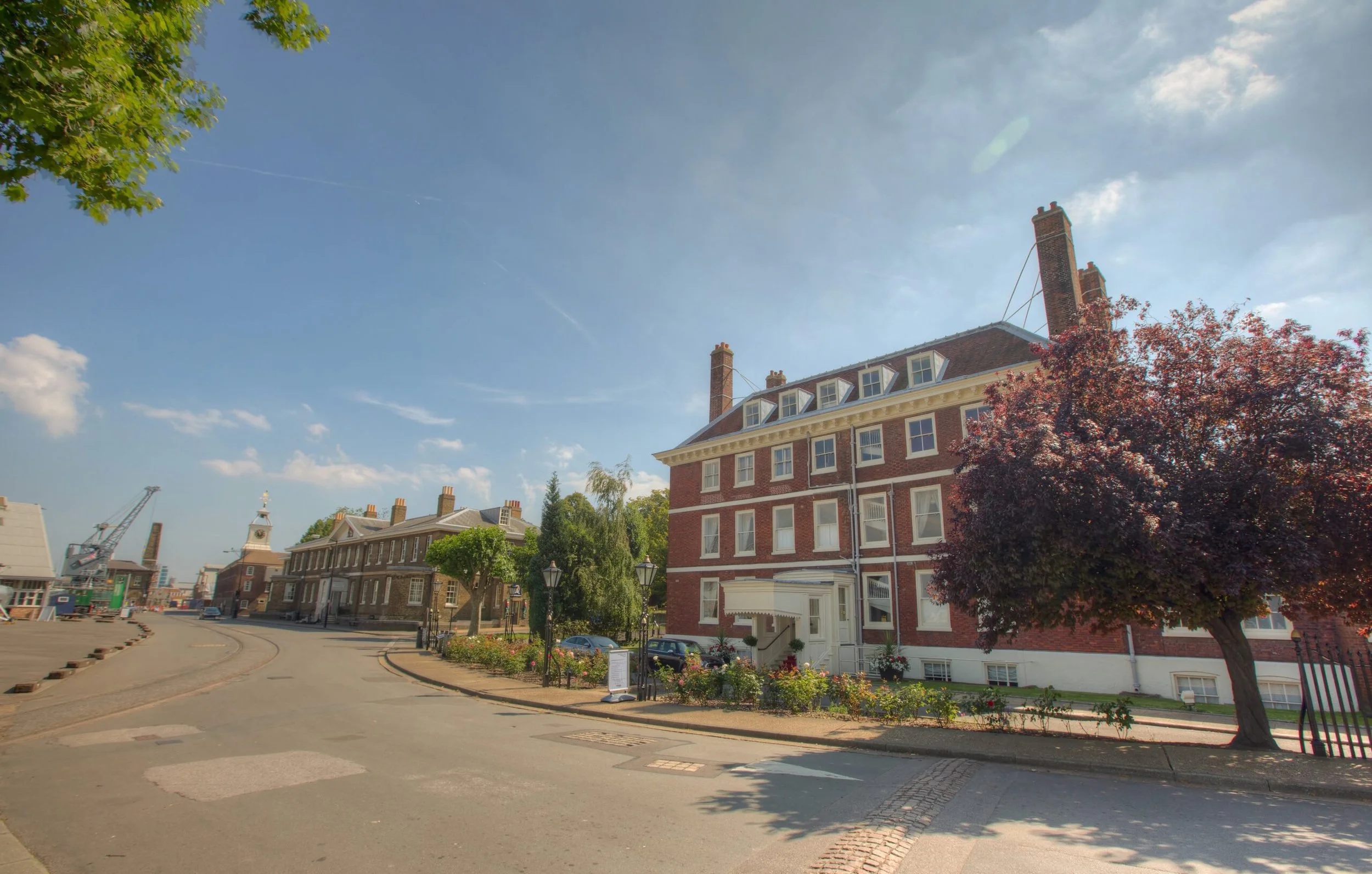
The Commissioner’s House at Chatham Historic Dockyard is the oldest naval building to survive in Britain and an impressive reminder of the glory of Britain’s eighteenth century naval history.
Lo and Behold
The house was built in 1703 for the new residential Commissioner of the Navy, Captain George St Lo, who may also have had a hand in its design. George St Lo, who was badly wounded in action when his ship was captured by the French, had been given a shore job as the resident commissioner at Plymouth, a naval dockyard only developed in the 1690s. When he was promoted to Chatham Dockyard in 1703, he was moving from what would have been a modern house to one that was about 100 years old – Chatham dockyard was first laid out in the 1570s. The new house he built at Chatham to match the status of his position as Commissioner is a substantial Queen Anne house that is currently the subject of a £2.9 million restoration project by the Chatham Historic Dockyard Trust. Much of the funding is coming from a consortium of grant aid bodies, including the National Lottery Heritage Fund and the Arts Council, which will fund major repairs to the fabric, including the restoration of the chimneys, roof, leadwork and dormer windows, accurately restoring the house to an etching dated from 1764, evidence of its original appearance.
Funding from HHF
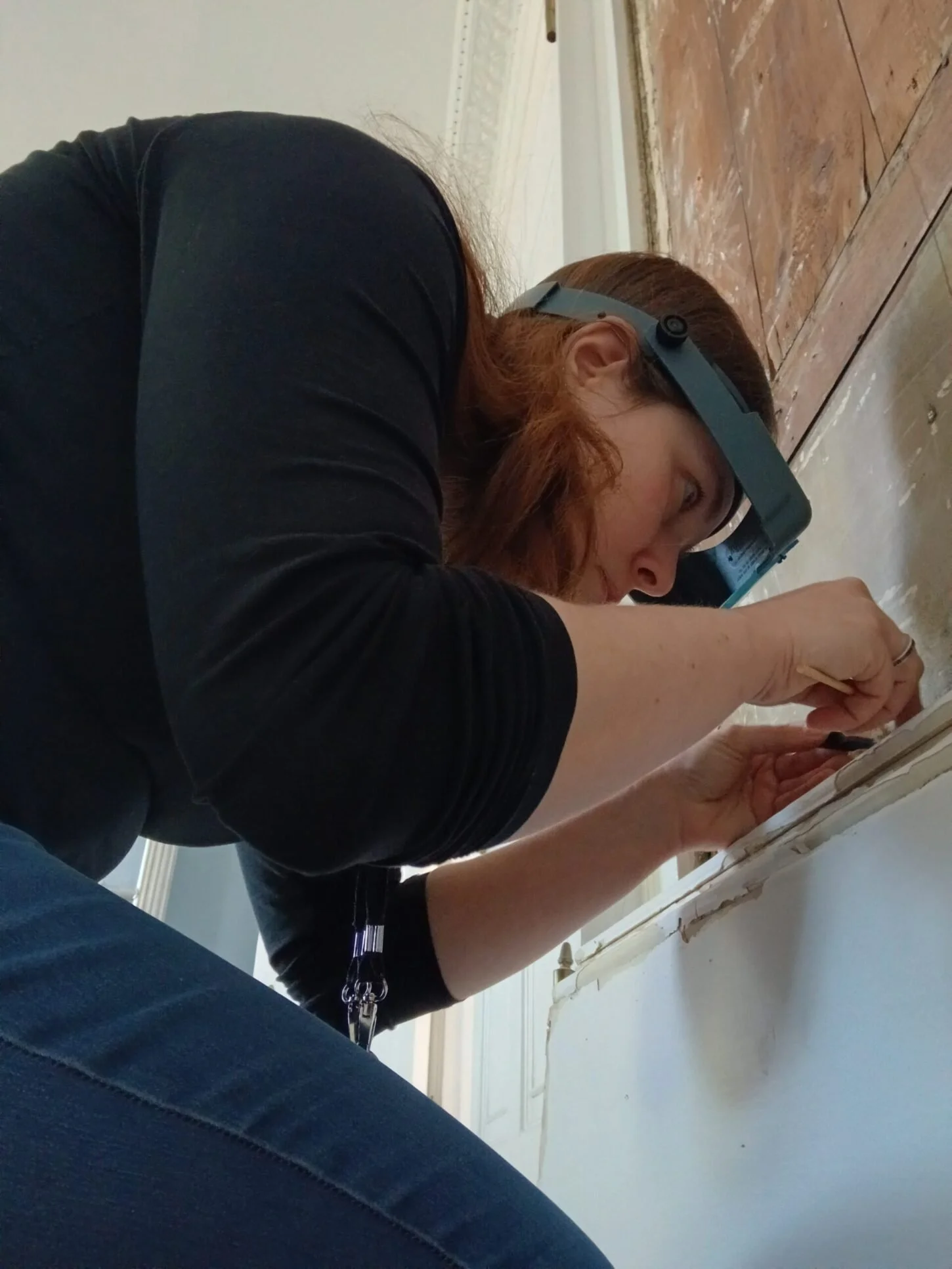
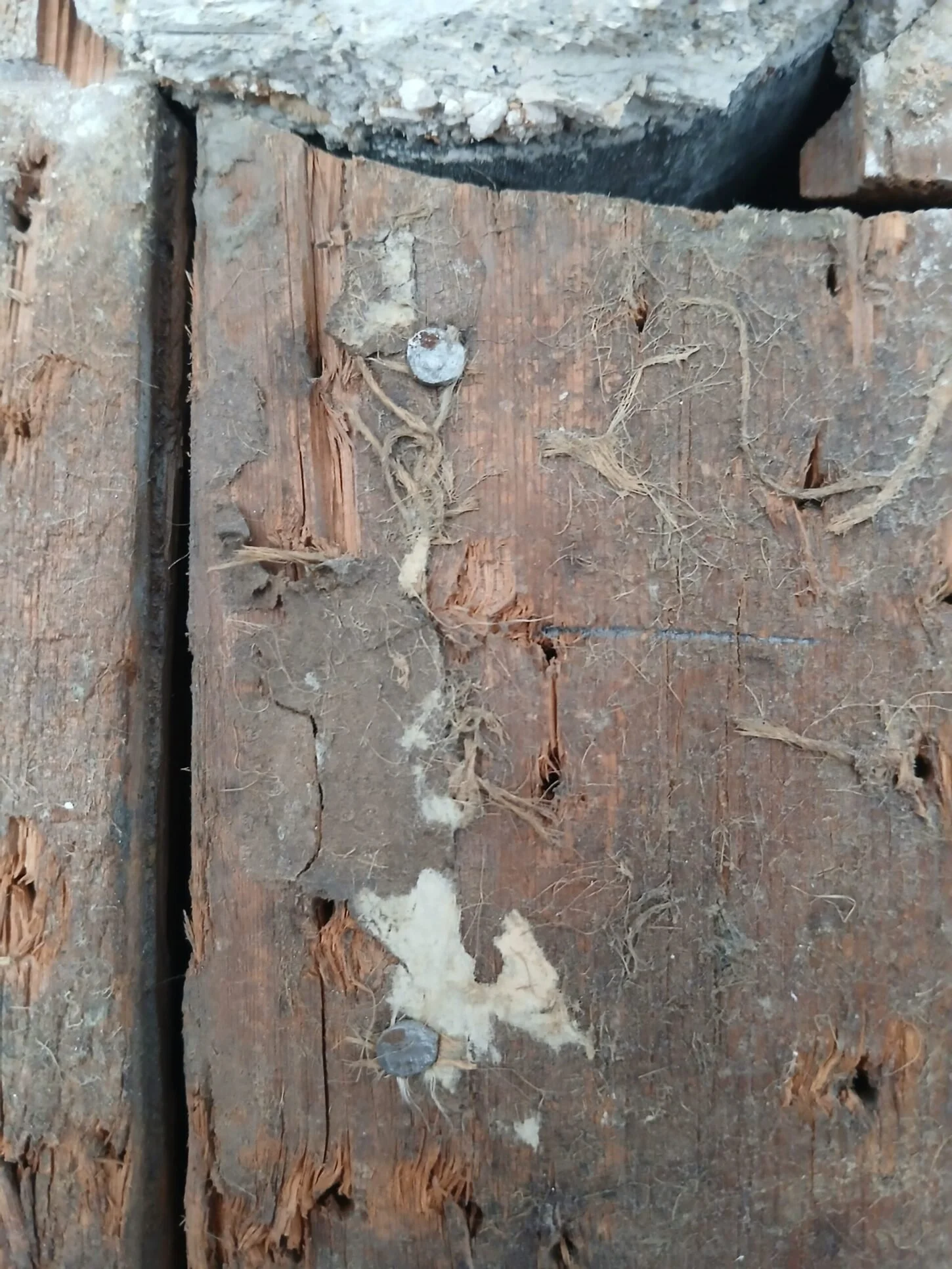
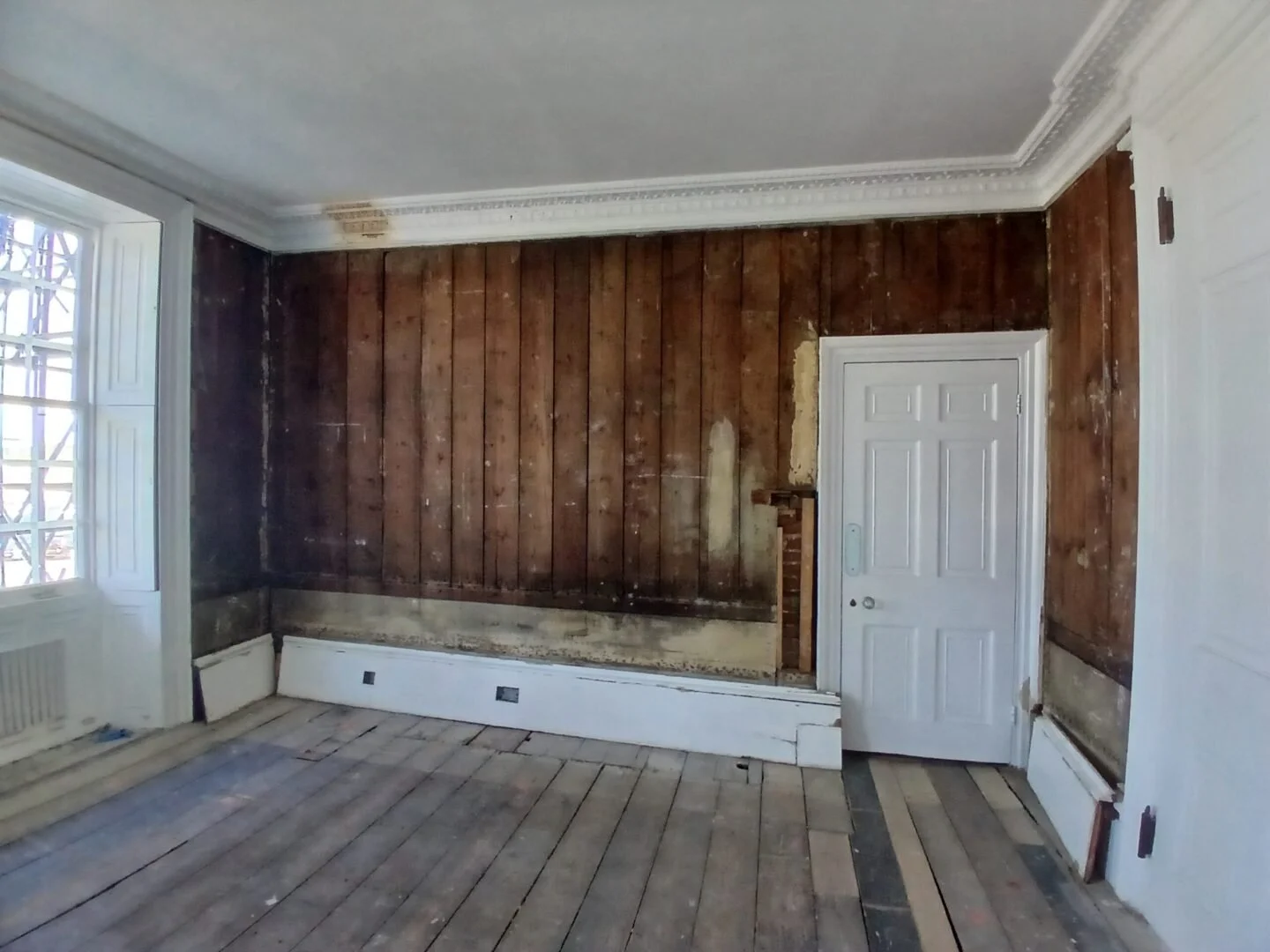
The Historic Houses Foundation grant is in two parts, targeted at important features of the interior. The first is for the restoration of seven pairs of French windows on the first and ground floors and for the repair of the decorative cornices in the Sunne Room and Sunne Annex. Early investigations in the Sunne Room have revealed the original boards lining the walls which once held a fabric wallcovering, surviving threads of which may now be analysed and reproduced.
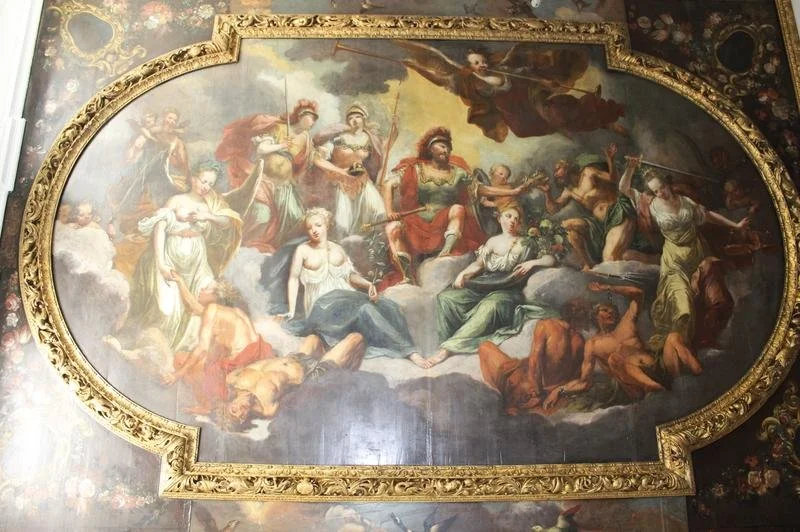
The second is for the restoration of the painted ceiling in the Entrance Hall. The ceiling painting was first commissioned for the Great Cabin of the naval flagship, HMS Royal Sovereign, launched in 1701. It is an apt mythological scene showing Neptune, God of the Sea crowning, Mars, God of War, surrounded by tumbling crowds of putti and bare-breasted goddesses, a nice combination of power, erudition and titillation for the naval officers. The design and background are attributed to Thomas Highmore, serjeant-painter to King William III, but the figures are the work of Highmore’s apprentice James Thornhill. Thornhill was to go on to become the leading painter of Baroque interiors in Britain, famously working at Chatsworth, Blenheim and the Royal Naval College in Greenwich. HMS Royal Sovereign was refitted at Chatham in 1710, just as Thornhill was completing his major commission in the Painted Hall at Greenwich – it is not surprising that George St Lo thought the painting would add a bit of class to his own residence.